On this page
Why this matters
Use this guide alongside our lookup and comparison tools to move from reading into action.
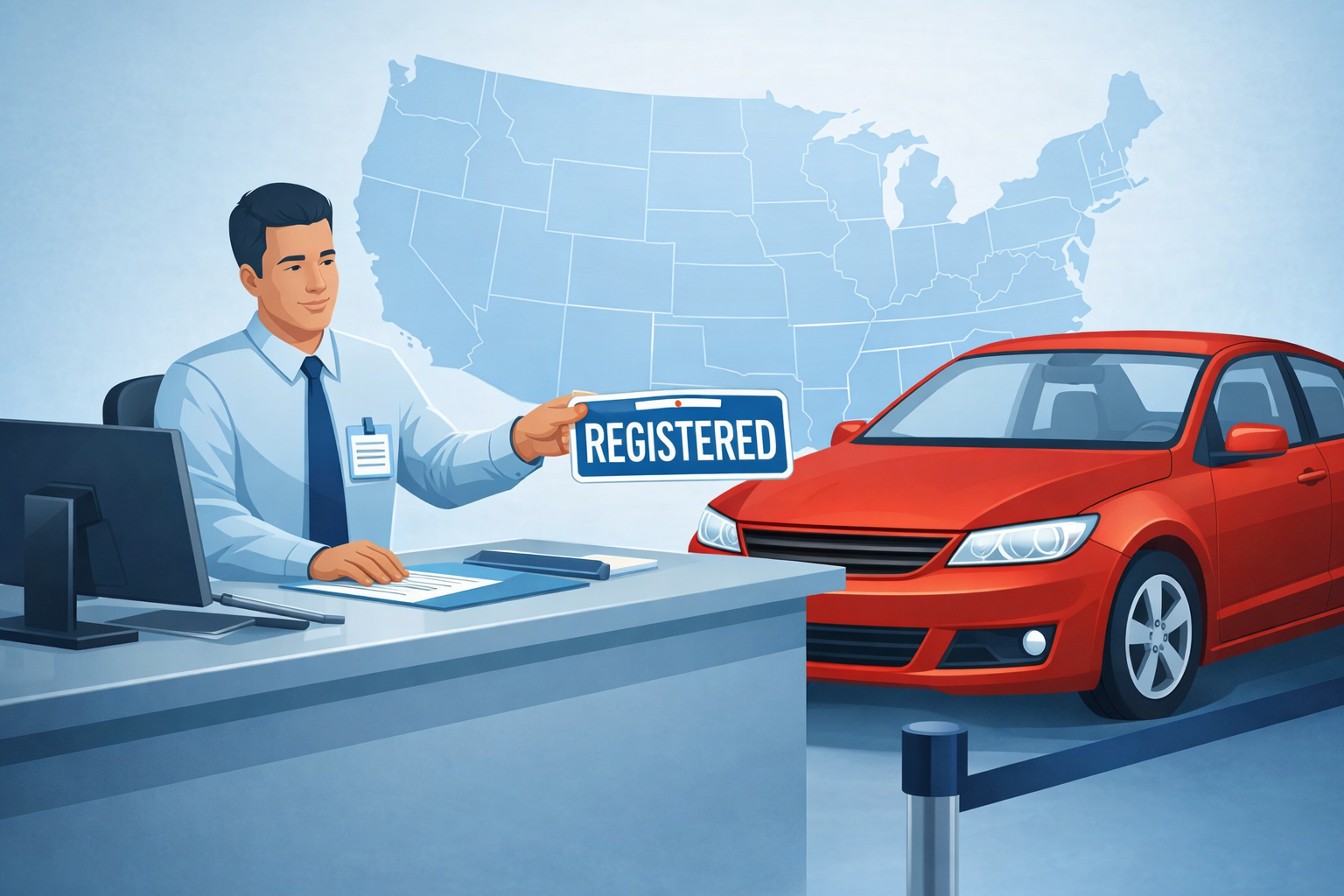
Vehicle registration is a legal requirement in every U.S. state, and proof of auto insurance is a critical part of that process. For drivers who rely on SR-22 insurance, understanding whether their coverage is accepted for car registration is essential to staying compliant with state law.
This guide explains which states accept SR-22 insurance for car registration, why acceptance varies, and what drivers should verify before visiting a Department of Motor Vehicles (DMV) office.
Why States Differ in Accepting SR-22 Insurance
Auto insurance laws in the United States are governed at the state level, not federally. As a result:
-
Each state sets its own insurance documentation standards
-
DMV acceptance policies differ
-
Enforcement practices vary widely
SR-22 insurance is typically accepted when it satisfies the state’s minimum liability requirements and is issued by a licensed insurer authorized to operate in that state.
How SR-22 Insurance Is Used for Car Registration
In states that recognize SR-22 insurance, the documentation may be used to:
-
Register a new or used vehicle
-
Renew an existing registration
-
Reinstate a suspended registration (in limited cases)
However, SR-22 insurance does not override other registration requirements such as emissions testing, fees, or identification rules.
States More Likely to Accept SR-22 Insurance for Car Registration
While policies change over time, SR-22 insurance is more commonly accepted in states with:
-
Large immigrant populations
-
Alternative driver licensing programs
-
Flexible insurance verification systems
Examples of States With Broader Acceptance
-
California
-
Texas
-
New York
-
Illinois
-
New Jersey
In these states, SR-22 insurance is often accepted as valid proof of insurance, provided all other registration requirements are met.
States With Conditional or Limited Acceptance
Some states may accept SR-22 insurance only under specific conditions, such as:
-
Vehicle registered to a licensed household member
-
Proof of residency within the state
-
Additional DMV verification
Drivers should confirm acceptance before purchasing insurance or attempting registration.
States Less Likely to Accept SR-22 Insurance
States with stricter licensing and insurance verification rules may:
-
Require standard auto insurance documentation
-
Reject alternative filings
-
Require proof of a valid driver’s license for registration
In these states, SR-22 insurance may still satisfy insurance laws but not registration requirements.
DMV Verification and Electronic Insurance Systems
Many states now use electronic insurance verification databases. In these systems:
-
Insurers report policy data directly to the DMV
-
Acceptance depends on insurer participation
-
SR-22 insurance must be correctly filed and reported
If the insurer does not properly report the policy, registration may be delayed or denied.
SR-22 Insurance and Traffic Stops
Even in states that accept SR-22 insurance for registration:
-
Law enforcement may verify insurance electronically
-
Drivers must still comply with licensing laws
-
SR-22 insurance does not prevent citations for other violations
Drivers should always carry proof of insurance and understand local enforcement practices.
Common Registration Challenges With SR-22 Insurance
Drivers using SR-22 insurance may encounter:
-
DMV staff unfamiliar with SR-22 documentation
-
Requests for additional verification
-
Delays due to manual processing
Working with insurers experienced in SR-22 filings reduces these issues.
Tips to Confirm State Acceptance Before Registration
To avoid complications, drivers should:
-
Contact the state DMV directly
-
Ask the insurer if SR-22 filings are reported electronically
-
Confirm minimum liability limits are met
-
Bring printed proof of insurance to the DMV
Preparation significantly improves registration success.
SR-22 Insurance vs Standard Insurance for Registration Purposes
| Factor | SR-22 Insurance | Standard Insurance |
|---|---|---|
| DMV Acceptance | State-dependent | Universal |
| Electronic Verification | Not always | Always |
| Registration Success Rate | Moderate | High |
| Documentation Flexibility | High | Low |
Frequently Asked Questions
Can SR-22 insurance be used to register a car in every state?
No. Acceptance depends on state law and DMV policy.
Does SR-22 insurance replace registration requirements?
No. It only satisfies insurance-related requirements.
Can acceptance rules change?
Yes. States update policies regularly.
Final Thoughts: Verifying Acceptance Is Essential
Understanding which states accept SR-22 insurance for car registration is critical for avoiding legal and administrative issues. While SR-22 insurance provides a lawful path to meeting insurance requirements, registration acceptance remains state-specific and subject to change.
Drivers should always:
-
Verify DMV acceptance
-
Work with experienced insurers
-
Stay informed about state law updates
Proper planning ensures smoother registration and continued compliance.
[fa_related_posts]
[fa_tools_cta]
Leave a Reply